
Key Aspects of Ensuring Safety Around Pools
Having a pool can be a fantastic addition to your home, offering a space for relaxation and recreation. However, ensuring the safety of everyone who uses it is crucial. One important aspect of this is understanding the rules and requirements about fencing around your pool. Pool fencing plays a significant role in preventing accidents and maintaining safety standards. This guide will walk you through the key components of these regulations and provide insight into how you can comply with them effectively.
The Importance of Safety Regulations

Safety regulations for pools are not just guidelines but essential laws designed to protect lives. These regulations are meant to prevent accidental drownings by restricting unsupervised access to the pool area, especially for children. By adhering to these standards, you help ensure that your pool remains a safe and enjoyable place for everyone.
The Role of Fencing in Pool Safety
Fencing serves as the first line of defense in protecting against accidents. A well-built fence provides a physical barrier that restricts unauthorized or unsupervised access to your pool. Many jurisdictions require specific types of pool fencing to meet safety standards, ensuring they are tall enough and built with materials that prevent climbing.
Regulatory Requirements You Must Know
Compliance with local regulations is mandatory when installing a fence around your pool. These requirements vary based on location, so it’s important to check with your local government. Typically, regulations specify the minimum height and material for fences, which must be sturdy enough to withstand various weather conditions.
Common Features of Compliant Fencing
- Tall enough to prevent children from climbing over
- Constructed of non-climbable materials like mesh or solid panels
- Gates that close and latch automatically
- Proper spacing between pickets to avoid easy crossing
Challenges in Meeting Compliance Standards
Navigating the maze of legal requirements can sometimes feel overwhelming. Many homeowners struggle with understanding exactly what is needed for compliance. Installation costs and selecting the right materials add another layer of complexity. It’s essential to address these challenges head-on by consulting professionals who understand local laws and requirements.
Steps for Installing a Compliant Fence
- Research local regulations thoroughly before planning your installation.
- Select approved materials that meet safety and aesthetic needs.
- Hire experienced contractors familiar with compliance standards.
- Regularly inspect and maintain your fence to ensure ongoing compliance.
Expert Tips for Effective Pool Fencing
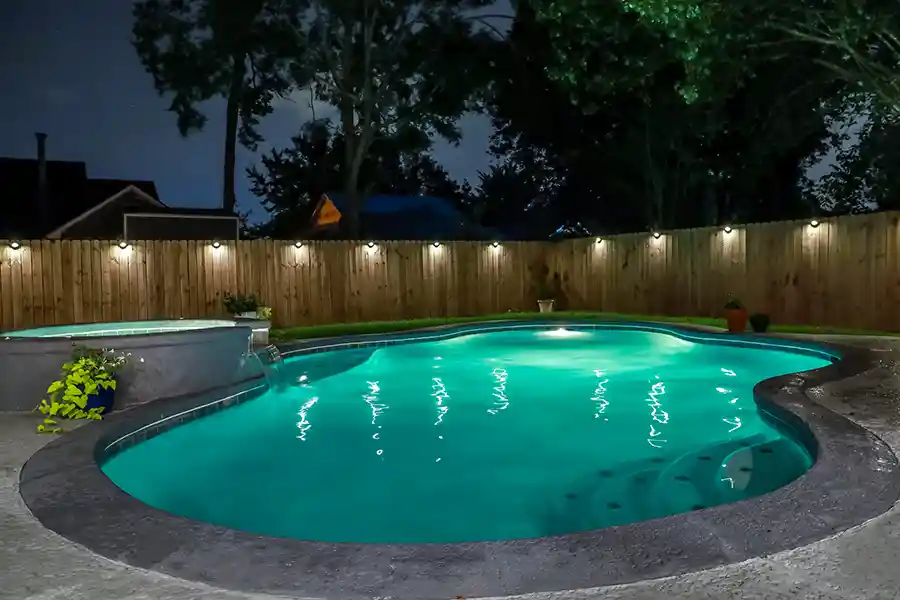
To maximize safety and compliance, consider following expert advice. Firstly, choose quality materials that offer durability under different weather conditions. Secondly, perform regular inspections and maintenance checks to catch any issues early. Lastly, install alarms or sensors for added security around your pool area.
The Cost Factor: Balancing Budget and Safety
While cost is often a concern, investing in high-quality fencing ensures long-term safety and peace of mind. Consider the potential risks and liabilities associated with inadequate fencing. Calculating costs should include both material and labor expenses, along with periodic maintenance to extend the life of your fence.
Your Path to Peace of Mind With Proper Fencing
In conclusion, having a clear understanding of the regulations surrounding pool fencing is vital for ensuring safety. Implementing proper measures not only protects those who use your pool but also enhances its overall value. For expert guidance tailored to your specific needs, contact The Royal Fence and Gate Pros at (520) 504-0473. Our team based in Queen Creek, AZ specializes in providing comprehensive solutions that align with local regulations.