
An Essential Guide to Fixing Your Fencing Issues
Understanding the fence repair process step by step requires patience. Whether it’s a broken panel or a leaning post, understanding each step helps make the process smoother. Fixing your fence not only restores its appearance but also ensures security and privacy for your property. In this guide, we explore essential steps, common challenges, best practices, and solutions to help you navigate the repair process with ease.
The Importance of Regular Fence Maintenance
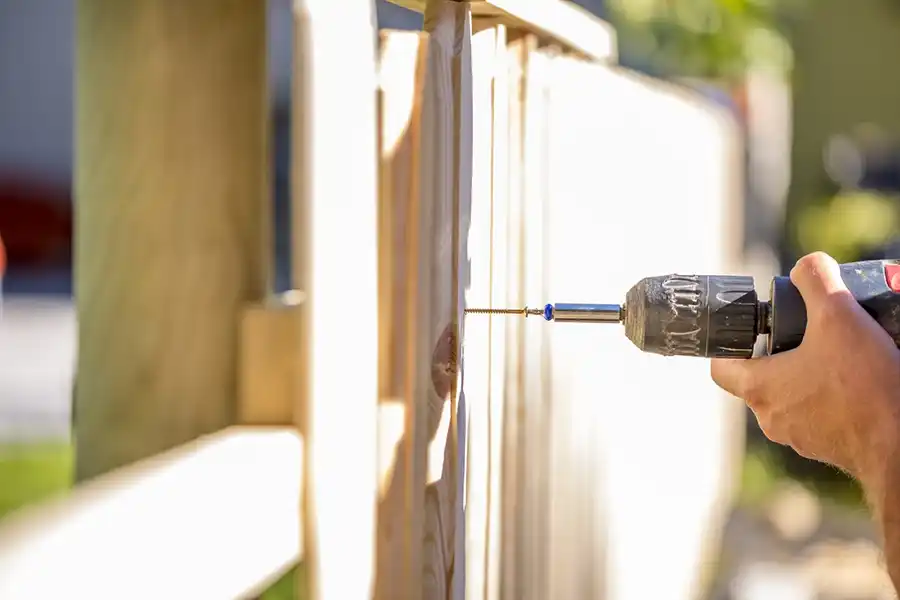
Maintaining your fence regularly prevents bigger issues down the line. Small problems like loose nails or minor wear can turn into major repairs if ignored. Consistent check-ups ensure your fence stands strong against harsh weather and time. By addressing these issues early, you save both money and effort in the long run.
Common Problems You May Encounter
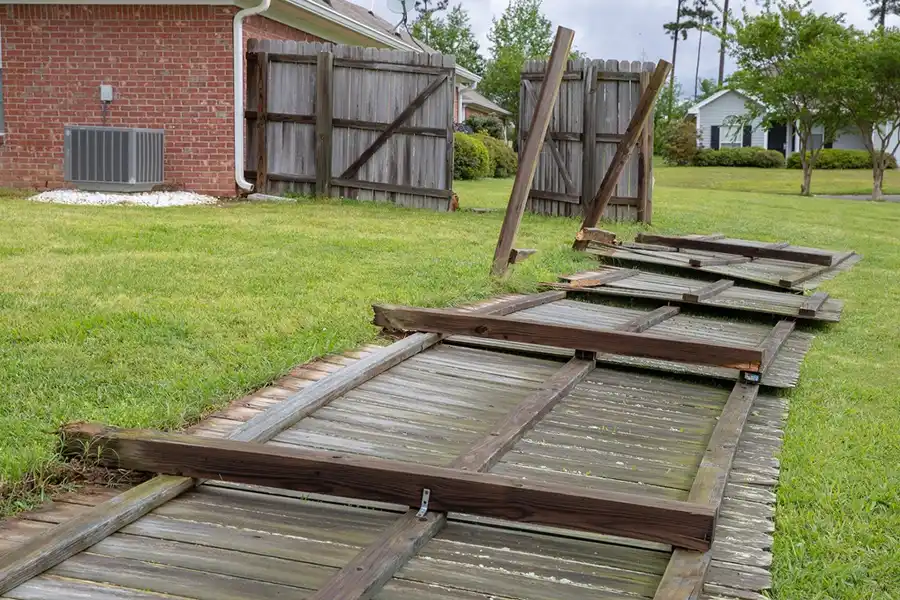
Fence repair often stems from common issues like rot, rust, or physical damage. Wooden fences can suffer from rot due to moisture exposure, while metal fences might rust over time. Physical impacts from storms or accidents can also cause significant harm. Recognizing these problems early allows for timely intervention before they escalate.
Steps for Effective Repair Solutions
Tackling fence repair involves several key actions:
- Identify the extent of the damage by inspecting each section carefully.
- Gather necessary materials, such as replacement panels or posts.
- Remove damaged components cautiously to avoid further harm.
- Install new parts securely, ensuring stability.
- Finish with protective coatings where needed.
Best Practices to Ensure Longevity
Following expert tips to prolong your fence’s life:
- Use high-quality materials resistant to local weather conditions.
- Apply sealants to wooden fences to guard against moisture.
- Regularly tighten screws and replace worn-out parts.
- Conduct seasonal inspections to catch early signs of damage.
Compliance With Local Regulations
Before starting any repair work, check local zoning laws and regulations. These rules may dictate fence height, style, or placement on your property. Ignoring them could lead to fines or required modifications post-repair. Staying informed ensures your repair efforts comply with all legal requirements.
Cost Factors to Consider During Repairs
Several factors influence the cost of repairing your fence. Material type is a significant contributor; wood may be cheaper initially but requires more upkeep compared to vinyl or metal options. Labor costs vary depending on complexity and location. Finally, consider potential savings from do-it-yourself repairs versus hiring professionals.
Your Next Steps in Fence Upkeep
In conclusion, proper maintenance and timely interventions are crucial for effective fence management. By planning and addressing issues promptly, you secure both aesthetic appeal and functional integrity for years to come. For comprehensive support and guidance, reach out to us. Based in Queen Creek, AZ, our team offers reliable service tailored to your fencing needs. Call The Royal Fence and Gate Pros at (520) 504-0473 today for expert advice and assistance.